Remodel so each trade builds on finished prep and nobody undoes another’s work, with decisions made before the first wall opens. This article is for Colorado Springs homeowners planning one project or several. Greg Wickham of Wickham’s Workbench, family-owned here since 2003, walks through stage order, room priorities, seasonal timing, phase costs and the mistakes that get paid for twice.
Key Takeaways
- Close no wall until everything that runs inside it is installed and tested; decorative finishes go in only after that.
- On a phased budget, pay first for work that protects the house or hides behind walls, then the rooms you live in most.
- Put outside projects on the calendar for dry, mild weather and keep indoor rooms for the colder part of the year.
- Hiring one remodeler to run every trade keeps the stages on a single schedule, so no trade shows up out of turn.
- Do not schedule demolition until the plan is written, priced and cleared for permits and lead-paint rules.
Which trades come first inside a single remodel, from demo to finishes?
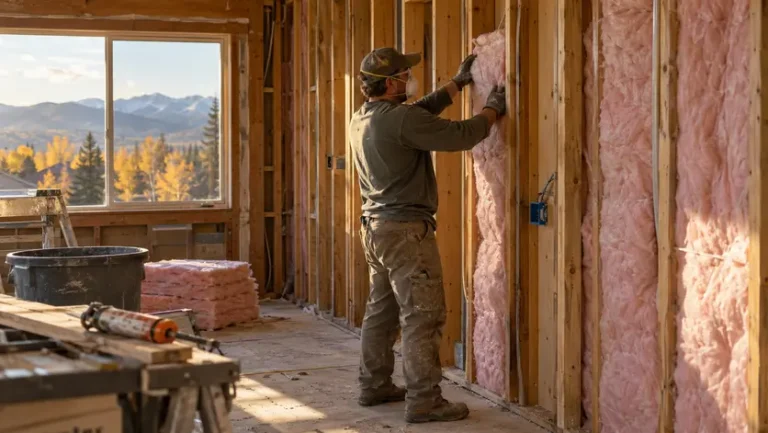
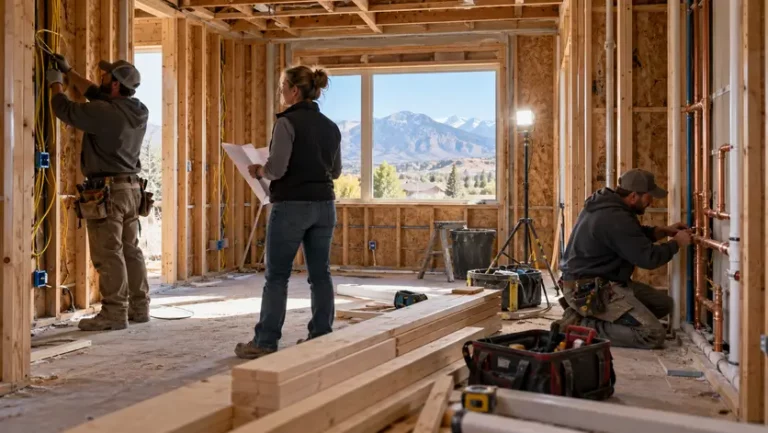
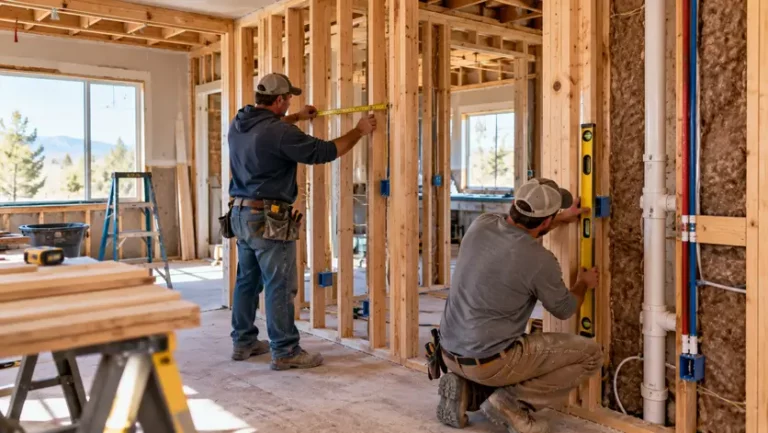
Work runs from the structure outward. Anything that sits inside a wall, called the rough-in (pipes, wiring and ducts), goes in while that wall is open, and finishes come last.
| Stage | What happens | Why it goes here |
|---|---|---|
| Demolition | Strip to studs and subfloor | Exposes rot before ordering |
| Framing | Move walls, cut openings | Later trades measure off it |
| Rough-in | Run pipes and wires | Open walls, no patching |
| Insulation and drywall | Close the walls | After rough-in is tested |
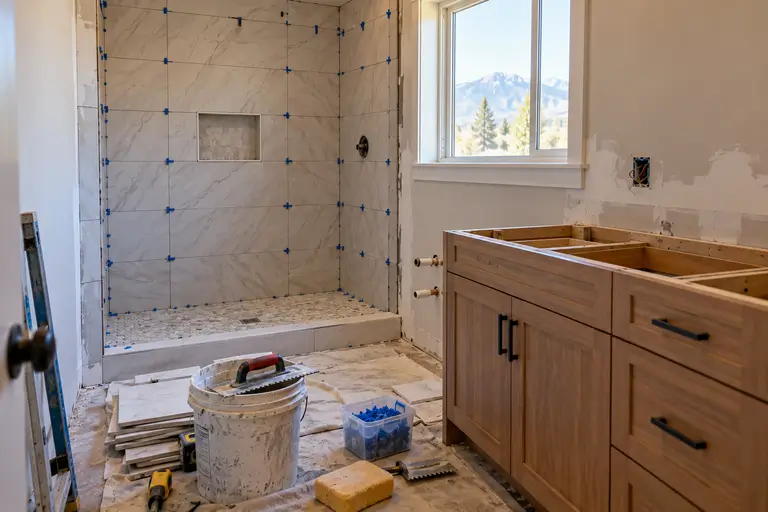
| Finishes | Tile, cabinets, paint, trim | Last, so nothing damages them |
The order holds for every project in our remodeling services, from a bath to an addition. How long each stage keeps the room torn up is laid out in our Colorado Springs remodel timeline.
Which rooms should you remodel first if you can’t do it all at once?
Start with the work that protects the house or that a later remodel would have to tear into, then move to the rooms you use most. Envelope and mechanical projects belong early. The National Association of Home Builders groups replacing windows and doors, upgrading heating and cooling, and adding insulation as remodeling that makes a home more energy-efficient and easier to maintain. Finish those first so a new duct run or a widened window opening never cuts through a kitchen you just paid for.
After that, room size shapes how far each phase stretches the budget. Size sets our bracket first: a small bath runs $10,000 to $20,000, and a master bath runs $25,000 to $60,000 or more. With two baths, redo the smaller one first. The house keeps a working bathroom while the master is gutted.
If a sale is in your plans, rank the rooms by home improvement ROI in Colorado Springs rather than by which room bothers you most.
Timing exterior and interior work around weather and the building season
Book exterior work for the dry, mild part of the year, and let interior work fill the colder months. Weather sets the pace for outside work because of the materials. Exterior paint, caulk and roofing sealants each come with the maker’s limits on temperature and moisture during application. Fresh concrete has to cure without freezing. Rain on a roof tear-off or an opened exterior wall soaks framing that then has to dry before anyone can close it up.
Inside work goes on under a finished roof, so drywall and tile keep moving whatever the sky does. That makes a split calendar practical. Schedule the outside job first so it lands in settled weather, then move indoors once temperatures drop. When someone prices an exterior phase, ask which of its products have temperature limits, and build a weather allowance into that phase instead of holding it to a fixed finish date.
Should one remodeler handle the whole sequence of work?
Often, yes. One remodeler running every trade keeps the whole stage order on one schedule, so the plumber comes while the walls are open and the tile setter waits for finished drywall. Hire each trade separately and that scheduling falls to you, along with the gaps between crews. How much one firm helps depends on how many trades your project touches. Before you sign, ask who coordinates each trade, which work goes to subcontractors, and who pays when one crew’s mistake sets back the next.
What plan, budget and permits do you need before demolition starts?
Settle a written plan and a budget priced against it, then confirm the permits and lead rules that apply to your house, all before demolition starts. The National Association of Home Builders advises homeowners to define a project plan and set a realistic budget before any work begins, then vet a licensed remodeler.
The plan comes first because a budget can only be priced against a fixed scope. Which walls move? Which fixtures change? Your number depends on the room’s size and how much of it opens down to the studs.
If the house was built before 1978, the EPA’s lead renovation rule requires anyone paid to disturb painted surfaces to be certified, with their employees trained in lead-safe work practices. The EPA recommends that owners of these homes hire a lead-safe certified contractor. Ask to see that certification before demolition goes on the calendar.
What drives the cost of each phase of a remodel?
Each phase is priced on the skilled labor hours it takes and the materials it uses up. Labor runs through every stage. By our figures, skilled trade labor in Colorado averages around $52 per hour, and demand for qualified contractors stays high along the Front Range. A phase that pulls in several trades, such as rough-in with a plumber and an electrician, costs more than one a single crew can handle.
Demolition and framing also carry safety work. The Occupational Safety and Health Administration sets standards for residential construction, including fall protection and hazard communication, that remodeling crews must follow during demolition and build-out. That setup is part of what those phases cost.
Materials weigh most on the finish phase, and their prices move over time. The Bureau of Labor Statistics’ Producer Price Index tracks the changing input and material costs behind pricing across construction and remodeling trades. Before you sign, ask how long the material prices in your quote will hold.
If you are planning several rooms, our guide to the cost of a whole-home remodel in Colorado Springs covers budgeting across more than one space.
Which sequencing mistakes make you pay for the same work twice?
The expensive mistakes put finished work in the path of a later trade, so that work gets torn out and paid for again.
- Choosing fixtures after rough-in. A shower valve, a wall-hung vanity or a freestanding tub each needs its supply and drain in a set spot. Pick the fixture before the plumber roughs in, or the wall gets opened a second time.
- Changing the layout after drywall. Moving an outlet or a light is a small change while the studs still show. Once the walls are closed and taped, the same change means cutting, patching and repainting.
- Finishing floors before the dusty work ends. Drywall sanding and ceiling paint land on whatever floor is down. Put in or refinish the floor once that work is done, then cover it for the trades that follow.
If you want a second set of eyes on the order of your own project, tell us about it through our contact page or call Wickham’s Workbench at (719) 632-5117.
Sources
- Lead Renovation, Repair and Painting Program | US EPA, U.S. Environmental Protection Agency (EPA), retrieved 2026-10-13.
- Residential Construction Industry – Overview | Occupational Safety, Occupational Safety and Health Administration (OSHA), retrieved 2026-10-13.
- Producer Price Index Home : U.S. Bureau of Labor Statistics, U.S. Bureau of Labor Statistics (BLS), retrieved 2026-10-13.
- Thinking About Home Remodeling? Start Here | NAHB, nahb.org, retrieved 2026-10-13.