A kitchen remodel goes smoothly when the big decisions are made in order, before anyone opens a wall, so the new room fits how your household cooks and lives. This checklist walks Colorado Springs homeowners through that order, from what frustrates you in the kitchen you have now to choosing a contractor and signing off on the work.
Key Takeaways
- Write down each frustration as it happens in your current kitchen; that record, not a showroom display, should steer the remodel.
- Rank what the finished kitchen must deliver before design starts, so every later choice can be weighed against your top priority.
- Lock in a budget figure and a separate reserve for surprises before design begins, then price each goal against that number.
- Settle the room’s footprint before you fall for a tile or door style, since cabinet sizes and counter cutouts depend on it.
- Judge finish samples side by side under your own kitchen lights, because pieces that pass alone in a showroom can clash together.
- Pick appliances while the plumbing and wiring plan is still open, because each one decides where a supply line or circuit must land.
- Bring a remodeler in before the design is final, giving every candidate the same scope so their quotes can be compared fairly.
- Set up a stand-in cooking spot before demolition day, while the old kitchen still works and you can pack without rushing.
- Gather your planning notes before the first remodeler visit, so that meeting is spent on your room instead of basic questions.
What isn’t working in your current kitchen?
Start with the kitchen you have. Before you picture new cabinets or a new floor, spend a week noticing where the room slows you down, and write each problem down when it happens.
Identify pain points
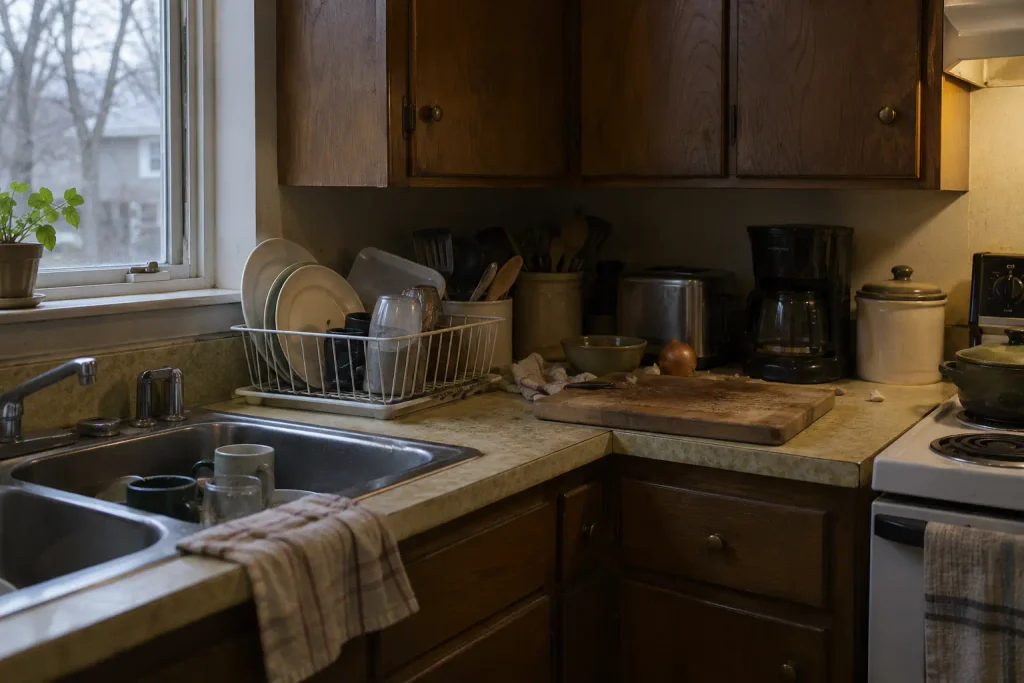
A pain point is any spot where the kitchen makes a daily job harder than it should be. Counter space that runs out the moment two people cook is a common one. So is the corner where the overhead light leaves you chopping in your own shadow. Note where people bump into each other and which cabinets you avoid because they are awkward to reach.
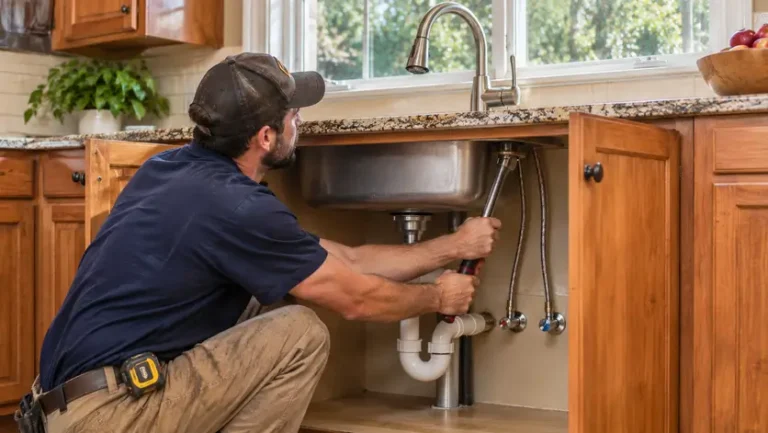
Then look past the surface. A slow drain or a cabinet floor softened by an old leak points to plumbing that needs attention during a full kitchen remodel. Older homes can also hide asbestos under layers of flooring or behind old wall finishes, and finding it before demolition keeps it from halting the work partway through.
Paint deserves a look as well. In a home built before 1978, the U.S. Environmental Protection Agency’s Renovation, Repair and Painting (RRP) Rule requires anyone paid to do work that disturbs painted surfaces to be certified in lead-safe work practices, with their employees trained in those practices.
Make notes about what limits how your kitchen functions each day. Those notes are the pain points your renovation goals have to answer.
Measure your space
Accurate measurements turn that list into something a designer can draw. With a tape measure, record wall lengths, ceiling heights, and the distances between appliances, doors and windows. Mark where the sink drain and the outlets sit, because those positions decide how easily anything can move.
Measure door swings too. A refrigerator that fits its opening still has to open fully without blocking a walkway or the cabinet beside it. Your remodeler uses these numbers to size new cabinets or an island for the room as it stands.
Written dimensions also make the kitchen remodel budgeting tips easier to apply, since material quantities come straight from your measurements.
Start With What Isn’t Working and What You Want Instead
Give every complaint on your list a matching want, written as plainly and specifically as you can. “Too dark over the sink” becomes “a fixture that lights the whole basin.” “Nowhere to set groceries” becomes “a clear run of counter beside the refrigerator.”
Define Your Renovation Goals
Your goals are the short list of outcomes the finished kitchen has to deliver, ranked so every later decision has something to answer to. The wants you paired with each pain point are the raw material. Goals put them in order.
Set priorities for functionality and aesthetics
Rank function and looks on one list. More storage and a smoother workflow are function. A warmer palette or a cleaner cabinet face is appearance. Number every want by importance. When two of them compete later, the trade-off is already settled on paper.
For the look, build a mood board. Pull photos from Houzz or Pinterest, lay them side by side, and circle what repeats. A color or a cabinet style that keeps showing up is your taste, even if you could not have named it before.
Decide on must-have features
Split the list into must-haves and nice-to-haves. A must-have is worth delaying the project to get. A nice-to-have is the first thing you would drop if the budget tightened. Double wall ovens, a beverage drawer, tall pantry cabinets and a hidden docking drawer for charging devices all change how cabinets are sized or where wiring has to run. Know which of them you consider essential before anyone draws the room.
What Drives the Budget and How to Set Yours
Your kitchen budget is set by the scope you choose: how big the room is, whether plumbing or wiring has to move, and the grade of cabinets and counters you pick. Fix the number before design starts, so each item on your goals list is priced against it.
Here is what pushes each part of the cost up or holds it down.
| Cost driver | What pushes it up | What holds it down |
|---|---|---|
| Room size | Longer wall runs need more cabinets, counter and flooring | A compact room keeps material quantities small |
| Layout | Moving the sink, range or a wall means new lines, new circuits and patching | Keeping the existing footprint |
| Cabinets | Custom boxes built to your measurements | Stock or semi-custom lines, or refacing sound boxes |
| Countertops | Complex edges, many cutouts and extra seams | Simple slabs with few cutouts |
| Labor | Many trades and a long schedule | Decisions made early, few change orders |
| Hidden conditions | Damage or outdated systems found at demolition | Opening suspect areas before the contract is signed |
Allocate funds for materials and labor
Price cabinets and counters first. They are the least flexible choices once ordered, and what they cost decides how much is left for flooring and fixtures.
Keep a spreadsheet with an estimated column and an actual column for every item, from kitchen countertops down to cabinet hardware. A fixture that comes in over plan shows up the day you buy it, while there is still room to trade down somewhere else.
Labor gets its own line. By our numbers, skilled trade labor in Colorado averages around $52 per hour, and demand for qualified contractors stays high along the Front Range, so quotes here carry that rate.
Plan for unexpected costs
Set aside a contingency budget, a reserve you assign to no finish at all. Demolition decides what it pays for. In an older house that can be wiring that has to be replaced, or a subfloor rotted by a slow leak under the sink. Either adds labor hours and pushes back the trades scheduled after it. A late appliance delivery keeps the crew on site longer too.
Settle the Layout Before You Pick a Single Finish
Decide where the sink and range will sit, and where the refrigerator goes, before you choose any tile or door style. Cabinet sizes and counter cutouts follow from that footprint, so a finish picked first may not fit the final room.
Explore popular kitchen layouts
Most kitchens follow one of a few shapes, and your walls usually narrow the choice.
- U-shape: counters on three walls give the most workspace but leave less floor for an island.
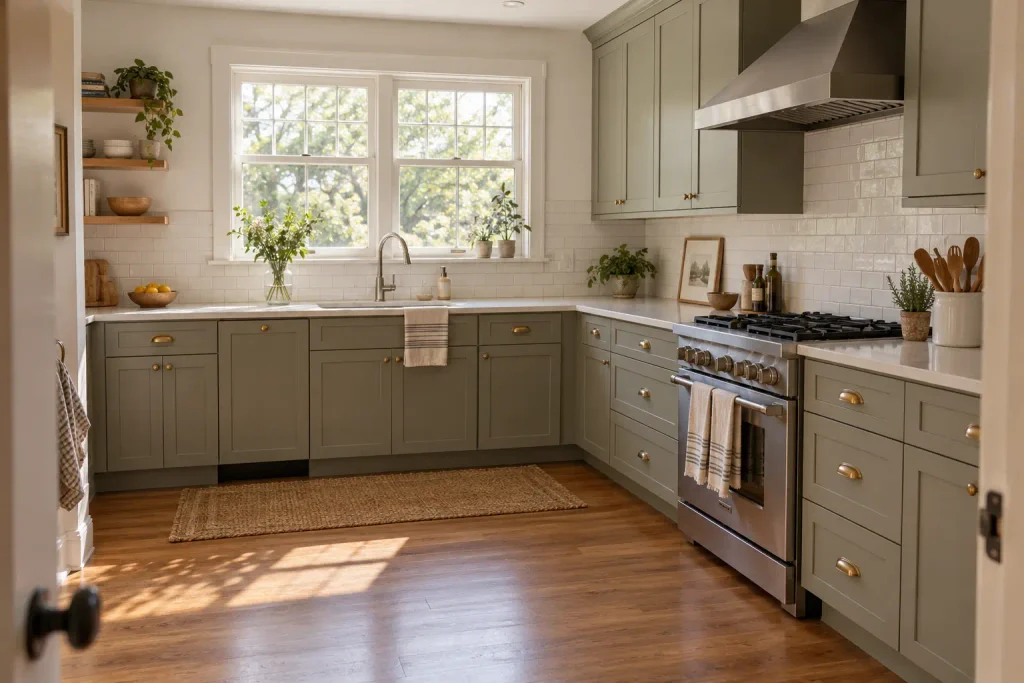
- L-shape: two counters meet at a corner, keeping the middle of the room open.
- Galley: two parallel runs make good use of a narrow room.
- Island: a freestanding block adds storage or seating where the floor has space around it.
Optimize workflow and functionality
Walk a full meal through the drawing. Food prep needs counter between the sink and the range, with pots stored near the range and utensils near the sink. The work triangle is the path between your sink, stove and refrigerator. Keep it short, and keep foot traffic from cutting across it. Ask your remodeler how wide the aisle between counters and any island will be.
Choosing Cabinets, Counters, Flooring and Finishes
Choose finishes as a set, holding samples together in your own kitchen. A cabinet door and a counter slab that each look right in a showroom can clash once they sit side by side under your lights.
Pick cabinetry, countertops, and backsplashes
Put the hardest-wearing surfaces where the kitchen works hardest, beside the sink and range. Once the layout is final, settle the cabinet line early. Sweeten.com’s look at 10×10 kitchen costs notes that recent tariffs have hit certain types of wood and even finished cabinets from Vietnam, Malaysia and Thailand, so ask your remodeler where yours are made.
Let the backsplash carry color or pattern, since tile is easier to replace than cabinets or counters. Faucets and pulls can change later too, without tearing into anything built in.
Consider flooring and lighting
Pick flooring for how the room gets used. Hardwood looks classic but can scratch in a busy household. Tile holds up to heavy use and cleans easily, though it feels cold underfoot. Luxury vinyl plank resists water. Ask what prep each floor needs, since some add labor before the first plank goes down.
For lighting, match fixture finishes to your cabinet hardware, and judge stone and tile samples under the bulbs you plan to install.
Planning Appliances, Plumbing and Lighting Together
Appliances, plumbing and lighting get planned as one package, because every appliance you pick fixes where a supply line or a circuit has to land. Moving a drain after the cabinets are set means cutting into finished work.
Decide on essential appliances
Decide which appliances stay and which get replaced. Then collect the spec sheet for every new model before the cabinets are ordered. Each sheet gives the exact dimensions your remodeler builds around, along with the hookups the unit needs. An induction cooktop may draw more power than the range it replaces. A gas range needs a gas line where it will sit, and a hood that vents outdoors needs a route through a wall or the roof. A refrigerator with an ice maker needs a water line behind it.
Ensure proper placement and energy efficiency
Set the dishwasher beside the sink so the two share drain and supply lines. Light the room in layers: task lighting under the upper cabinets over the prep counters, with general light for the room on its own switch. Pendants over an island need their electrical boxes placed before the ceiling is closed.
Hire the Right Professionals
Hire your remodeler before the design is final, so the people building the kitchen can check the plan against the room. Put the same questions and the same scope to every candidate, or their quotes will not line up.
Vet contractors and designers
Ask each candidate how many of their recent jobs were kitchens. Then ask how they handle a problem found once the old cabinets come out. A clear answer names who decides, who prices the extra work and how you approve it before it starts. Confirm the firm is licensed and insured, and ask for proof. Be wary of anyone who wants a large payment before work begins or will not put costs in writing.
Review portfolios and references
Look for finished kitchens close to your own scope. If you plan to move a sink or open a wall, photos of cabinet swaps tell you little. Then call past clients and ask:
- Did the job finish on the promised date, and if not, were you told why?
- How were changes priced and approved?
- Was the house left clean at the end of each workday?
- Would you hire them again?
How to Pick the Right Remodeler for the Job
Choose the remodeler whose written proposal most closely matches your goals list and your measurements. Compare proposals item by item, starting with allowances, which are the amounts a quote sets aside for items you have not chosen yet. A low allowance makes a quote look cheaper than the finished job will be. Before you sign, ask who runs your job on site each day and who returns your calls.
Prepare for the Renovation Process
Getting ready for the renovation comes down to two jobs: setting up a place to cook and clean, and planning your household around the weeks when the kitchen is a work zone. Settle both before demolition day, while your kitchen still works and you can pack it at your own pace.
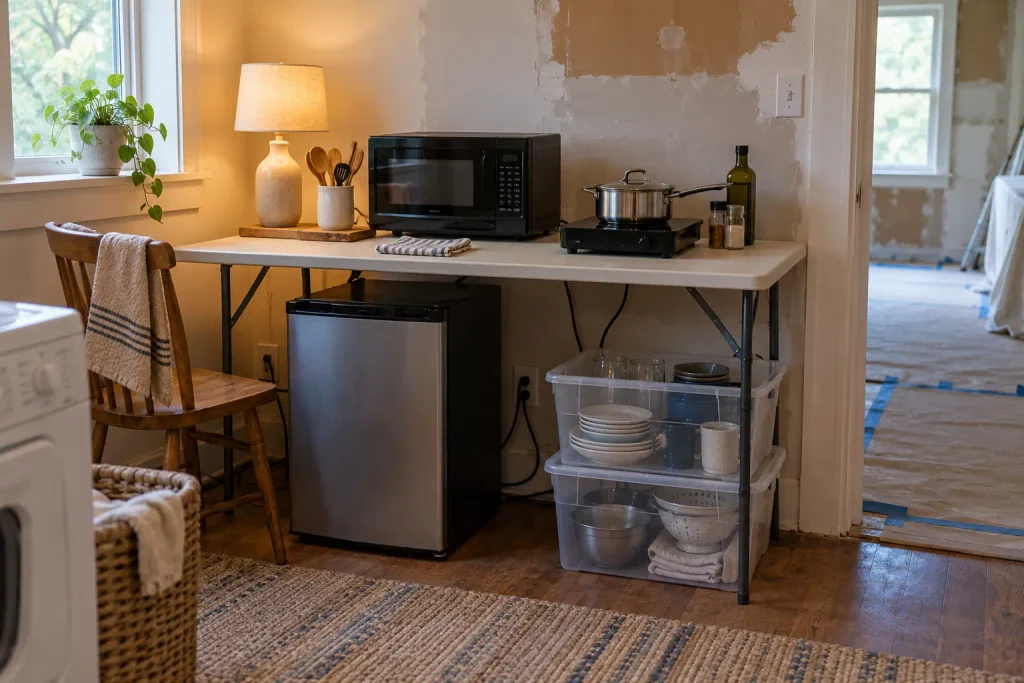
Set up a temporary kitchen
Pick a low-traffic room away from the dust and noise, ideally near a laundry or bathroom sink so you have water for rinsing. A small fridge, a microwave and an electric cooktop let you make real meals instead of eating out every night. Plug them into outlets on different circuits if you can, because several cooking appliances on one circuit can trip the breaker mid-meal.
Store utensils and cookware in clear bins so you can see what is inside without digging. Disposable dishes keep washing-up light. Cook a few meals ahead and freeze them. Pack away the dishware you will not need before demolition starts, and keep a trash can and cleaning supplies beside your setup.
Plan for project timelines and disruptions
Expect dust, noise and limited use of your sink while the work runs. Plastic barriers over doorways help keep dust in the kitchen, and vacuuming daily keeps it from spreading through the house. An air purifier helps too.
Choose one entry point for the crew, such as the garage, and clear it before work begins so materials can come in without crossing your living space. If new appliances will be delivered before they are installed, ask about warranty protection options for them during the renovation.
How Long It Takes and How to Live Without a Kitchen
The length depends on scope. Replacing finishes within the existing footprint moves faster than gutting the room, relocating the sink or opening a wall, which bring new rough-in work and inspections. Cabinet lead times can also hold the schedule.
Inspect and Finalize Your Kitchen
Check the finished kitchen against your signed proposal, and hold the final payment until every item on it is done. Bring the approved samples, your goals list and your measurements to the walkthrough.
Conduct a final walkthrough
Walk the room with your remodeler so each question gets answered on the spot. Hold every sample against what was installed. A cabinet stain or a tile can arrive a shade off from the one you approved. Open each door and drawer: doors should hang level and close without rubbing. Run a hand along the countertop seams. Start every appliance, work each switch and test the outlets. Then run water at each faucet and check under the sink for drips or odd noises in the lines. If leak sensors went in, wet one to confirm it alerts.
Address any issues or adjustments
Anything unfinished or off goes on the punch list, the written list of fixes the crew completes before the job closes. Note where each item is, photograph it, and agree on a date for the repair. If a fix needs a return trip, put that visit on the calendar before the crew leaves.
Collect the warranty paperwork for the appliances and any new systems, and register each one while the model numbers are in front of you. Removed cabinets or counters in good shape can go to a donation center or onto Facebook Marketplace instead of the dumpster.
The Final Walkthrough: What to Check Before You Sign Off
Sign off only when all of these are true:
- All work meets codes, with final inspections passed.
- Warranty details are documented and in your hands.
- Permits have closed out.
- Every punch list item is fixed.
What to have ready before your first remodeler visit
Bring the planning you have done to that first meeting, so the visit is spent on your kitchen rather than on questions you could answer at home. Set out your pain-point notes and measurements beside the ranked goals list, with must-haves marked. Add the budget number you settled on, contingency held apart, and spec sheets for any appliances you have already chosen. A remodeler can then say which goals fit that budget and the room.
If your kitchen is in Colorado Springs or a nearby town such as Monument or Fountain, contact Wickham’s Workbench or call (719) 632-5117 to set up that visit.
FAQs
What are the most important kitchen remodel tips to follow?
The tip that guides every other is to settle your goals and scope with a professional, because scope is what sets the price. Orchard’s kitchen remodel cost guide gives that advice and puts the average kitchen remodel at $26,278, citing Angi data, with a typical range of $14,600 to $40,600; large, upscale remodels can reach $130,000 or more.
Why is planning my kitchen layout critical?
Layout matters because keeping or changing your kitchen’s footprint is one of the choices that sets the price, beyond how the room works. Orchard.com lists a footprint change among the cost factors beside kitchen size and material quality. Ask your remodeler to price two plans, one in the current footprint and one rearranged, and compare.
How do I plan to avoid common renovation mistakes?
Price every fixture before the contract is signed, so a choice left for later cannot surprise you partway through the job. Even a simple light fixture can jump from an expected $100 to $350. Choose each faucet and light as a specific product, then write its model number into the proposal instead of a placeholder amount.
What electrical considerations should I include in my renovation checklist?
Plan where you will use countertop appliances, and ask whether your electrical panel can carry the new circuits the kitchen needs. Orchard.com counts electrical needs among the factors that set a remodel’s cost. A panel without room for more circuits may need an upgrade. Placing outlets where you run the blender keeps cords short.
Sources
- Lead Renovation, Repair and Painting Program | US EPA, U.S. Environmental Protection Agency, retrieved 2026-10-19.
- A Guide to Kitchen Remodel Costs & If It’s Worth It – Orchard, orchard.com, retrieved 2026-10-19.
- 10×10 kitchen remodel cost guide, sweeten.com, retrieved 2026-10-19.