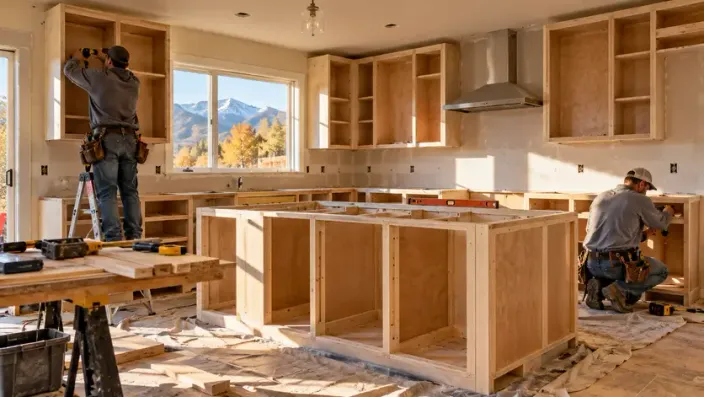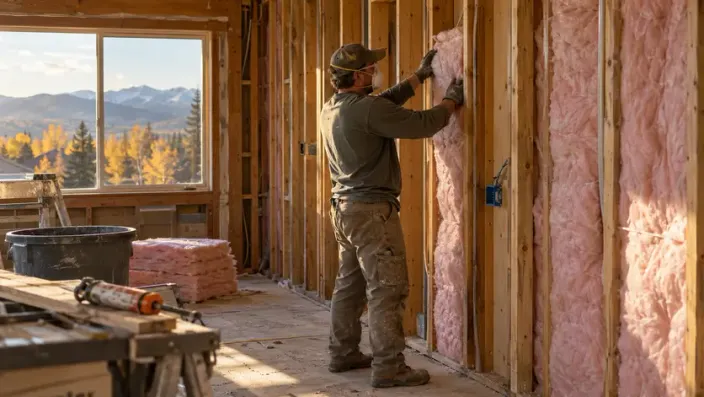

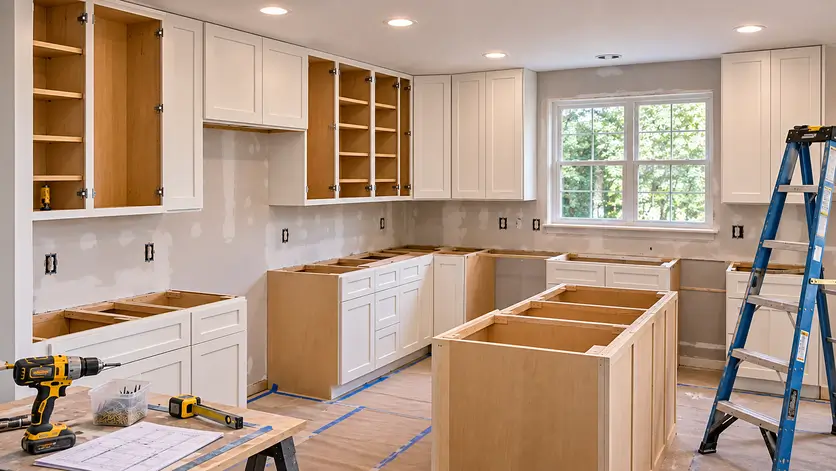
Keeping a remodel inside your budget gets you the kitchen, bath or basement you planned, paid for on the terms you agreed to. This guide walks through the stages of a Colorado Springs remodel, from the first scope list to the signed bid, and shows where the money moves along the way. Greg Wickham, owner of Wickham's Workbench, draws on 650+ remodels his family-owned company has finished since 2003.
Key Takeaways
Treat every finish you haven't picked and every wall nobody has opened as a price that is not settled yet.
Write down what changes and what stays in each room before a single contractor puts a number on the job.
Choose your actual finishes before signing, so the contract prices the items you want instead of a stand-in.
Plan to stay home only if one kitchen and one bathroom keep working through the job. Otherwise, budget for living elsewhere.
Keep the room's footprint and leave fixtures where the plumbing already runs to hold labor hours down.
Where do remodeling budgets usually go over?
Budgets go over where the plan leaves something open when the price is set. Watch for three openings. The first is a choice not yet made, such as a tile or a fixture still to be picked. The second is work nobody has seen yet, behind walls or under floors. The third is a change of mind after work starts, which gets priced mid-job instead of in the bid. How far any of these moves the total depends on the house and the scope. Each can be pinned down before a remodeling project is priced.
What should you decide about scope and priorities before asking for bids?
Before any contractor prices the job, decide what is in it and what is not, then rank what matters most. Write the scope down room by room: which walls, fixtures, floors and cabinets change, and which stay. Split the list into must-haves and wants you would drop if the numbers come in high. Every remodeler then bids the same job, so the prices compare, and you already know what to cut first instead of trimming under pressure.
How do early selections keep change orders from piling up?
Pick your fixtures, tile, cabinets and finishes before you sign, so the bid prices the items you want instead of a placeholder. A change order is a written, separately priced change to the signed contract, and every open choice is a likely one. Where a bid carries an allowance (a set dollar amount for an item not yet chosen), ask what it covers and how the difference is billed if your pick costs more. Ask, too, which items take longest to arrive, so those get ordered first.
Can you live at home during a remodel, and what does moving out add?
Staying home works when the remodel leaves you one working kitchen and one working bathroom. What decides it is which rooms go out of service, and for how long. Redoing a bathroom in a house with a second bath is easy to live through. Taking out the only kitchen means weeks of meals from a temporary setup in another room, with dust and noise on every workday.
Moving out puts costs on your side of the ledger that no contractor's bid shows: rent or a hotel, plus storage for furniture pulled from the work area. Those bills run as long as the job does, so a slipped schedule costs you twice. Before you decide, ask the remodeler which days the water or power will be shut off and when the rooms you rely on go out of use. A few nights away on those days can cost less than leaving for the whole project. If the work reaches most of the house, weigh that choice against the cost of a whole-home remodel in Colorado Springs, which has its own breakdown.
What drives the cost of a remodel, and where can you save?
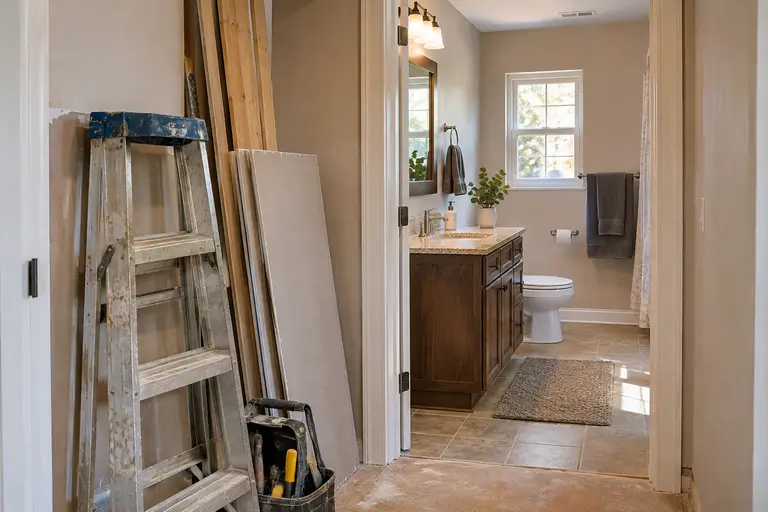
What you pay comes down to the size of the room, the labor it takes, and how much of the layout changes. Take bathrooms: a typical bathroom remodel in Colorado Springs costs $10,000 to $38,000 in 2026, with most mid-range projects landing around $15,000 to $25,000. Labor is part of why bathrooms cost more here: skilled trade labor in Colorado averages around $52 per hour, and demand for qualified contractors stays high along the Front Range.
What sets the cost | What it means for your price | Where you have room |
|---|---|---|
Room size | A small bathroom runs $10,000 to $20,000, and a master bath can run higher than the typical range | Keep the footprint you have |
Labor hours | Each added trade bills its own hours | Keep the existing layout so fewer trades are needed |
Moving fixtures | A relocated toilet or shower needs new supply and drain lines | Leave fixtures where the plumbing already runs |
Finish grade | Tile and fixture grade move a project within that range | Spend on the surfaces you touch daily |
What should you ask about permits, inspections and hidden conditions?
For permits, ask who pulls them, and whether the permit fees are in the bid or billed to you separately. For inspections, ask when each one is scheduled and who meets the inspector, since a missed or failed inspection can hold up the next stage of work. For hidden conditions, ask how the contractor prices damage found once walls or floors open: at a stated rate, or as a change order you approve before work goes on.
How can you pay for a remodel without stretching your budget?
Set your spending limit before the bids come in, hold part of it back as a reserve the contract never touches, and pay in stages tied to finished work. Any money you borrow costs interest, and that interest belongs in the true price of the remodel.
Savings: you pay no interest. Keep enough outside the project that damage found behind a wall does not drain your emergency fund.
Home equity loan or line of credit: you borrow against the house. Your lender and the equity you hold set the rate and terms, so check the monthly payment against what you can carry.
Personal loan: it puts no lien on the house. Your credit sets the rate, so compare it with an equity loan before you choose.
Ask the remodeler how payments are scheduled. A draw schedule releases each payment at a set stage (demolition done, rough-in inspected, cabinets set), so the money you have paid stays in step with the work you can see. If your project is a kitchen, our kitchen remodel budgeting tips cover where that budget goes.
What should you look for when choosing a remodeler and reading a bid?
Choose the remodeler whose bid names every item on your written scope, and read what it leaves out as closely as the total. A price holds only for the work the bid spells out.
Itemized lines: labor and materials broken out by room or by trade, so you can match each line to your scope.
Exclusions: what the price does not cover, such as debris haul-away or patching and painting after the work. Work left out of the bid gets billed later as an extra.
How long the price stands: material costs and labor rates move, so ask the date the number expires.
Who does the work: whose crews are on site, and which trades are subcontracted.
To go over your scope or a bid you already have, contact Wickham’s Workbench or call (719) 632-5117.